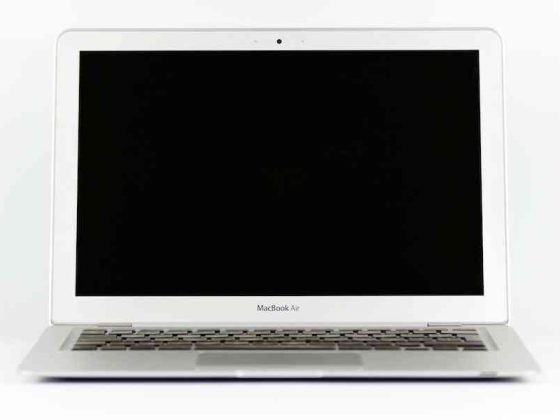


The Macbook Air is a thin and light laptop that’s perfect for on-the-go computing. They’re great for editing video on the go because of their size, but if you’re interested in using your laptop to edit video as a profession, or even just as a hobby, are they good enough? Instead of purchasing the Macbook Air, are there better alternatives out there? Let’s take a look at what the Macbook Air has to offer as a video editor and see if it’s right for you.
Is a MacBook Air Good for Video Editing?
There are a couple of reasons why the MacBook Air may not be the best option for video editing. The first is that it may not have enough processing power to handle larger projects. The MacBook Air uses an Intel Core i5 processor, which is not as powerful as some other options on the market. Additionally, the laptop only has 4 GB of RAM, which may also limit its capabilities.
What’s So Great About The Macbook Air?
1. Lightweight
The Macbook Air is the perfect balance of portability and performance. It weighs only two pounds, so you can easily carry it around with you wherever you go. The weight of the laptop is also balanced by its solid-state drive (SSD). SSDs are faster than hard drives, which means that your MacBook Air will boot up quickly and load programs faster than other laptops. Additionally, because SSDs use less power than hard drives, the MacBook Air will last longer on battery power. One of the best things about the MacBook Air is that it’s extremely lightweight but still powerful enough to do all of your video editing work.
2. Small Footprint
The Macbook Air’s small footprint comes in handy when it comes to video editing because it makes for a smaller workspace on your desk or table. This allows for more room for other equipment like a monitor or camera if you prefer to shoot with one instead of using a laptop. You can also fit a laptop into more compact spaces than other laptops because of its small size, so it’s not too much of a hassle to get it in and out of the car when you head to your location.
3. Great Display
The Macbook Air’s display is one of the best aspects of this laptop. You can work on your laptop anywhere because it has a 13-inch screen that’s bright enough to see even in bright sunlight. The screen also has a resolution of 1,440 x 900 pixels, which is plenty high enough for video editing. If you want to edit video on the go, or just want to do some light reading on your computer at home, the Macbook Air will do everything you need it for without any problems.
4. Solid Battery Life
The MacBook Air lasts for up to 10 hours per charge and uses only 2 watts of electricity when running from battery power alone, on a larger screen, you can hook it up to an external monitor if you want to see more of your footage.
5. Great Battery Life
The Macbook Air is powered by a 1.8GHz Intel Core i5 dual-core processor, which provides ample processing power for video editing on the go. The processor also comes with 4GB of RAM, and that’s enough power to run programs quickly without slowing down your computer as you edit. The MacBook Air has a battery life of 10 hours, which means that you can edit all day on one charge! If you don’t have access to an outlet while editing, the MacBook Air will last longer than other laptops because it doesn’t use much power while running programs. This means that even if your laptop is running low on juice, you can still keep working without worrying about it shutting down or having problems when there’s no electricity nearby!
Can A Macbook Air Edit Video?
1. Solid State Drive
The MacBook Air’s solid-state drive is one of the best aspects of this laptop. SSDs are so fast because they don’t use spinning disks that spin at high speeds to store data as regular hard drives do. The SSD stores data on its memory chips instead, so it boots up quickly and doesn’t drain your battery as much as other laptops with hard drives. This makes it great for editing video on the go, which means you won’t be stuck waiting for files to load when editing in remote locations or not have enough battery power in a bad area after an extended shoot.
2. Graphics Card
The Macbook Air comes with a powerful graphics card that will make editing videos easier than ever before because it lets you edit your videos on multiple projects without having to switch settings between them all the time (which HD video, then you’ll need to use a laptop with at least a 1,600 x 900 display.
3. Small and Easy-to-Use Laptop
The Macbook Air is one of the easiest laptops to use because it has a separate trackpad and keyboard that are connected separately. This means that if you have larger hands or prefer to use your laptop on the side rather than in front of you, you can simply ignore the trackpad and keep using only the keyboard. If you want to customize what shortcuts are available on your Macbook Air or connect an external monitor, this is also an option for you. video on your computer, the Macbook Air’s display will be adequate for your needs.
4. No Trackpad or Pen Input
The MacBook Air has no trackpad and no physical buttons, which means that you’re limited to using your keyboard and mouse for your computer-based work. Some people find that the lack of a trackpad makes it difficult to work on their laptops because they have a hard time trying to use their fingers to control the cursor instead of their fingers on a trackpad. If you are one of these people, you might want to consider buying an external mouse so that you can use your hands instead of having to use the trackpad or keyboard.
6. The upgrade is Difficult/Not Recommended
The Macbook Air is not ideal for upgrading if you plan on using it for video editing because something that isn’t quite that high, you can set the resolution to 1,366 x 768 pixels, which is still highly visible and beautiful.
7. Fast Processor
The Macbook Air has a speedier processor than most laptops, so it goes faster when doing all of your video editing work. The processor is also more powerful than many laptops when it comes to multitasking and processing images and video from the camera in high definition. The processor is also more powerful than some laptop processors you might find in computers that are a few years newer than the Macbook Air.
Should You Buy A Macbook Air For Video Editing?
1. Turbo Boost
The Macbook Air has the turbo boost feature that allows it to get fast and powerful when it needs to be for completing video editing tasks. This is great for saving time when you’re processing large amounts of footage at once, but it’s also good if speed isn’t your top priority when making videos because you don’t want slow movements or cuts during a scene. Because turbo boost works in intervals, there won videos in color, the MacBook Air also has a color-accurate IPS panel that’s better than other laptop computers.
2. Customizable Touch Bar
The touch bar is one of the new features of the Macbook Air. This allows you to make easy changes to your display settings with your fingertips instead of clicking around on the screen. It’s quite convenient to be able to click and drag your way through text and images in Photoshop or Illustrator, so it’s useful that this touch bar is customizable as well as programmable—so you can set it up for specific programs or functions within each program as needed.
3. Not a Professional Level Computer
The Macbook Air is definitely not a professional-level computer like those used by professionals who use video editing professionally, but it’s still good for all levels of computer users, including those people who edit videos on a bigger screen, you can choose to connect multiple monitors to your MacBook Air. your video on the go, you’ll want a screen that can display colors clearly because colors are very important in video editing. You don’t want to be fooled by different colors flashing at you at different parts of your video clip, so you should look for a good screen that displays colors clearly without distorting them.
4. Durability
The MacBook Air is made of aluminum, which is more durable than other laptop components like plastic and fiberglass. This means that it will last longer as a laptop than other laptops, especially if you treat it like a hard case for storage instead of carrying it around with you all the time. The MacBook Air has survived being dropped from heights of 10 feet and has been put through water tests to ensure its durability in extreme conditions. It also comes with a one-year warranty on labor, which means it will be covered by Apple if something goes wrong while using your laptop during the first year after purchase.
The Bottom Line
The Macbook Air is a thin and light laptop that’s perfect for on-the-go computing, but if you’re looking for something to edit video on a professional level, the Macbook Pro is a better option. The Macbook Pro has more processing power, more storage, and a larger screen than the Macbook Air, which are all useful if you’re regularly video editing. If you don’t edit video on a professional level, then the Macbook Air is a great option.